


Bitcoin ASIC miner wholesale supply chain logistics guide
Views: 0 Author: Site Editor Publish Time: 2026-06-29 Origin: Site


Scaling a mining farm requires precise execution. Institutional buyers must secure vast quantities of hash rate quickly. You simply cannot afford major supply chain breakdowns. A glaring friction point exists in procurement today. The gap between securing an attractive price per terahash and actually getting intact units cleared through customs causes severe delays. Poor logistics management will easily wipe out any upfront savings on hardware.
This guide equips you with proven frameworks for bulk procurement. We focus heavily on total landed costs, robust risk mitigation, and verified delivery models. You will learn how to navigate international freight successfully. By adopting these strategies, you can prevent catastrophic deployment bottlenecks and protect your capital investments.
Key Takeaways
Incoterms dictate risk: Choosing between EXW (Ex Works) and DDP (Delivered Duty Paid) fundamentally alters your liability and customs exposure.
Hidden costs destroy ROI: Tariffs, freight insurance, and bonded warehouse fees can add 15-30% to the base cost of a wholesale order.
Transit damage is inevitable without protocols: Shock and tilt sensors, combined with comprehensive cargo insurance, are non-negotiable for bulk container shipments.
Vendor vetting requires proof, not promises: Reliable suppliers provide verifiable track records, transparent lead times, and clear SLA terms for DOA (Dead on Arrival) hardware.
The Realities of Wholesale Procurement
Many bulk purchasing initiatives fail during the initial decision stage. Buyers frequently encounter phantom inventory from unverified brokers. These brokers sell machines they do not actually possess. They use your capital to source units later. This creates massive delivery delays. Bait-and-switch pricing also plagues the market. You might order brand new equipment but receive refurbished models instead. Misclassified customs codes lead to seized shipments. Border agents will heavily penalize incorrect documentation.
You must look beyond the initial factory quote. The true expense involves calculating the total landed cost. Getting a bitcoin miner to your facility requires multiple financial outlays. The formula includes the raw hardware price plus international freight charges. You must also add comprehensive cargo insurance. Import tariffs and customs brokerage fees significantly increase the final tally. Ignoring these variables will break your procurement budget.
Implementation realities demand urgent timelines. Mining difficulty adjusts constantly based on global network activity. Hardware depreciates during transit. A four-week shipping delay directly equates to lost network mining revenue. Fast deployment matters immensely. Equipment loses potential revenue generation capacity every single day it sits inside a shipping container. You must source your bitcoin asic miner wholesale orders through predictable and verified channels.
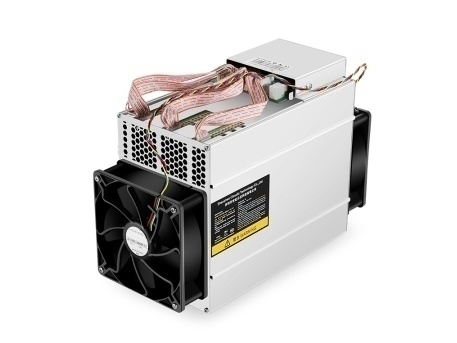
Structuring Your Supply Chain: Logistics & Fulfillment Models
Selecting the right transportation method heavily impacts your deployment schedule. Air freight involves high costs but guarantees extremely fast delivery. Transit typically takes 3 to 7 days globally. This method works perfectly for current-generation antminer models. The immediate hash rate deployment easily outweighs the premium shipping costs.
Ocean freight offers much lower transportation costs but introduces high latency. You might wait 30 to 45 days for delivery. This method suits massive fleet rollouts perfectly. It also works well if your facility build-outs remain incomplete. We recommend mapping your freight strategy directly to your infrastructure readiness.
Logistics Comparison Chart: Air vs. Ocean Freight | |||
Transport Method | Average Transit Time | Cost Profile | Best Use Case Scenario |
|---|---|---|---|
Air Freight | 3 - 7 Days | High Premium | Current-generation hardware, immediate racking readiness. |
Ocean Freight | 30 - 45 Days | Cost-Effective | Bulk legacy fleets, ongoing facility construction phases. |
Incoterms define international shipping liabilities. EXW (Ex Works) and FOB (Free on Board) agreements mean you control the logistics chain. However, you also assume all export and import risks. You need a highly robust third-party logistics (3PL) partner to manage this effectively. DDP (Delivered Duty Paid) means the supplier handles everything. They deliver the hardware directly to your destination door. It feels much easier for buyers. However, DDP requires deep trust in the vendor regarding customs compliance and pricing transparency.
Evaluation Criteria for Wholesale Vendors and Freight Forwarders
Your logistics partner must navigate international trade laws expertly. They need exact knowledge of Harmonized System (HS) codes for data processing equipment. Authorities classify computing hardware under strict tax brackets. Incorrect codes trigger unnecessary taxation. Border authorities might even impound the entire shipment. Ask your vendor to explain their specific customs clearance strategy before signing any contracts.
Never trust verbal guarantees regarding machine quality. You must demand video verification of serial numbers. Request detailed hash rate testing reports before finalizing payments. Ensure proper packaging before any mining rig leaves the origin warehouse. Reliable vendors utilize anti-static bags. They pack machines using custom-molded foam inserts to prevent movement. Proper packaging mitigates severe damage during international transit.
Verify cargo insurance coverage limits rigorously. The policy must cover the full replacement value of the machines. Avoid policies tied strictly to weight-based freight liability limits. Define the Dead on Arrival (DOA) policy clearly in your master agreement. Establish exactly who pays return shipping costs for faulty hash boards. A transparent DOA framework protects your operational capital significantly.
Mitigating Last-Mile and Facility Handoff Risks
The final delivery phase carries massive risks. Unpacking and staging require strict standard operating procedures. Teams must handle massive palettes safely. They must also protect delicate circuitry from environmental shocks.
Follow these essential protocols for receiving your shipment:
Temperature Acclimation: Hardware must acclimate to facility temperatures before powering on. Moving cold machines into a hot facility causes internal condensation. This moisture destroys control boards instantly.
Shock Sensor Verification: Inspect all pallets for activated shock and tilt sensors. Photograph any red indicators immediately. This documentation proves mishandling for insurance claims.
Component Inspection: Always check for dislodged heat sinks. Listen carefully for rattling components inside the chassis. Severe vibrations during international transit frequently loosen internal screws.
Firmware Checks: Ensure the factory installed the correct firmware versions. Malicious firmware can reroute your hashing power to unknown pools.
Align logistics delivery dates perfectly with your site readiness. Ensure your facility power distribution units (PDUs) hold sufficient capacity. Your airflow management setup must handle the exact heat output of the incoming fleet. Properly sizing your electrical infrastructure ensures immediate plug-and-play capability upon arrival. You want your new crypto miner fleet hashing within hours, not weeks.
Shortlisting Your Supply Chain Partner: Next Steps
Selecting the right supplier determines your overall success. Create a standardized Request for Proposal (RFP) framework. This helps you compare vendors accurately. A formal quote must include specific guarantees and transparent cost breakdowns.
Your RFP checklist must demand:
Line-item breakdowns of freight charges and estimated duties.
Hard timeline guarantees for warehouse dispatch.
Escrow payment options for large-volume capital transfers.
Proof of recent delivery manifests to your specific geographic region.
Watch out for severe industry red flags. Avoid vendors requesting full upfront crypto payments without offering escrow. Run away from suppliers unable to provide recent client references. Vague customs strategies indicate deep inexperience. If a vendor cannot explain the impact of Section 301 tariffs, they will likely bungle your import process.
Vendor Selection Decision Matrix | ||
Evaluation Metric | Low-Tier Vendor | High-Tier Vendor |
|---|---|---|
Pricing Structure | Hidden fees, bait-and-switch quotes. | Transparent landed cost calculation. |
Logistics Capability | Forces EXW only, no customs support. | Offers fully insured DDP delivery. |
Quality Assurance | No testing videos, poor packaging. | Serial number verification, foam inserts. |
Payment Security | Requires 100% upfront crypto. | Accepts escrow and standard bank wires. |
Weigh vendor reliability heavily against pure unit costs. Factor their DDP capabilities into your financial models. Paying slightly more upfront often secures a safer route for your asic miner fleet. Predictable deployments generate revenue faster than delayed bargain shipments.
Conclusion
Successful wholesale procurement remains a complex logistics challenge. It goes far beyond a simple hardware purchasing decision. Moving delicate computing equipment across international borders requires rigorous planning. You must account for tariffs, insurance, and transit latency to protect your capital.
Paying a slight premium for a verified, compliant supply chain partner yields massive dividends. It creates a higher, more predictable return on investment than chasing unregulated factory prices. Reliable partners ensure your machines arrive intact and clear customs legally.
Take action today to secure your infrastructure supply chain. Request a comprehensive consultation from a verified logistics partner. Demand a customized, fully costed plan and a transparent hardware quote before transferring any funds.
FAQ
Q: What is the standard lead time for wholesale ASIC deliveries?
A: Deliveries vary significantly based on inventory type and freight method. In-stock local inventory typically arrives within 3 to 7 days via ground transport. Direct-from-manufacturer futures depend on factory production schedules. International air freight adds 3 to 7 days, while ocean freight extends timelines by 30 to 45 days.
Q: How are import duties calculated for mining rigs?
A: Customs agencies calculate duties using specific Harmonized System (HS) codes for data processing equipment. Rates depend entirely on the origin and destination countries. For example, US buyers importing Chinese-manufactured hardware must pay Section 301 tariffs, adding an additional 25% to the standard import duty rate.
Q: What happens if miners are damaged during international transit?
A: You must file a claim through your third-party cargo insurance provider immediately. The process requires extensive documentation. You need continuous unpacking videos, photographs of activated shock sensors, and initial diagnostic reports. Thorough documentation expedites the reimbursement process for damaged hardware.
Q: Do wholesale suppliers offer warranties on international orders?
A: Standard manufacturer warranties usually remain intact for new machines. However, seller guarantees differ significantly. You must negotiate a specific Dead on Arrival (DOA) policy with your wholesale supplier. This policy dictates repair times and return shipping costs if machines fail immediately upon facility deployment.

Shenzhen OB Technology Co., Ltd. We are leading manufacturer in China which specialized electronic products supplying for 10 years.
SHOP
Graphics Cardadaphics
SUPPORT
Subscribe to receive updates, access to exclusive deals, and more.
