


Earbuds vs Earphones: What's the Difference?
Views: 0 Author: Site Editor Publish Time: 2026-08-10 Origin: Site


Audio brands and consumers frequently use "earbuds" and "earphones" interchangeably. However, technically and acoustically, they represent two fundamentally different form factors. This widespread terminology confusion makes shopping unnecessarily difficult. Audio buyers often end up purchasing devices unsuited for their daily routines.
Our core objective is to demystify the physical and acoustic differences between an open-fit design and an in-ear seal. Understanding these nuances helps you confidently match the right hardware to your daily listening environment. We will explore how physical fit alters bass response, noise isolation, and long-term comfort.
Neither design is inherently superior. Audio success depends entirely on ear anatomy, specific use cases, and ambient noise levels. You will learn how to identify true earphones, avoid marketing traps, and protect your hearing. By the end, you will know exactly which audio companion suits your lifestyle.
Key Takeaways
Physical Fit: Earbuds rest just outside the ear canal (the concha), while earphones utilize silicone or foam tips to seal securely inside the ear canal.
Acoustic Profile: Earphones provide passive noise isolation and stronger bass response; earbuds offer a more natural, airy soundstage but lack sub-bass punch.
Safety vs. Isolation: Earbuds are ideal for situational awareness (e.g., outdoor running); earphones are strictly better for blocking out commutes or loud offices.
The Marketing Reality: Most modern "wireless earbuds" are technically in-ear earphones, requiring buyers to look closely at tip design before purchasing.
The Technical Distinction: Fit, Seal, and Acoustic Design
To choose the right audio device, you must understand human ear anatomy. The outer ear bowl is called the concha. The tunnel leading to your eardrum is the ear canal. Audio devices interact differently across these zones. The primary differentiator comes down to acoustic sealing.
Earbuds (Open-Fit Design)
Earbuds utilize an open-fit architecture. They rest loosely in the outer ear bowl. They lean against the tragus for support. They never penetrate the ear canal itself. Because of this shallow placement, earbuds do not create an acoustic seal. Air flows freely around the plastic housing.
This design allows ambient noise to pass through naturally. You hear traffic, conversations, and environmental sounds clearly. The open nature prevents a vacuum effect. Your ear canals breathe easily during extended listening sessions.
Earphones (In-Ear Monitors / IEMs)
Earphones operate on entirely different mechanical principles. They insert directly into the ear canal. They feature elongated nozzles. Manufacturers wrap these nozzles in interchangeable silicone or foam tips. You compress these tips during insertion.
Once inside, the tips expand to match your unique canal shape. This expansion creates a physical vacuum seal. The seal traps sound inside the canal. It simultaneously blocks external frequencies from entering. This closed environment dramatically alters sound reproduction.
The Terminology Overlap
Terminology confusion stems directly from retail marketing. Search volume data dictates product naming conventions. Consumers overwhelmingly search for the term Wireless Earbuds. Consequently, brands label almost all compact Bluetooth audio devices as such.
Manufacturers know sealed IEMs sell better overall. They apply the popular "earbud" keyword to sealed in-ear products. You must look closely at visual cues. If a product includes removable silicone tips, it is technically an earphone. If the casing is solid plastic meant to sit outside the canal, it is a true earbud.
The Earbud Experience: Situational Awareness and Comfort
Open-fit acoustics deliver a very specific user experience. Comfort and safety define this category. However, the lack of a physical seal heavily influences audio performance.
Performance Realities
Sound generation requires moving air. Low-frequency sounds (bass) have long waveforms. To feel bass impact, these waveforms need a closed environment. Because earbuds lack a seal, bass frequencies escape into the surrounding air. They never fully reach your eardrum.
This results in a flatter sound profile. The acoustic presentation feels open and airy. Vocals often sound natural and spacious. Treble remains crisp. However, hip-hop and electronic music fans often find this soundstage lacking in depth and punch.
Best Use Cases (When to choose them)
Earbuds excel in specific environments. You should choose an open-fit design when isolation becomes a liability.
Outdoor exercise: Runners and cyclists must maintain high situational awareness. Hearing approaching traffic remains a critical safety requirement.
Quiet office environments: Office workers often need to hear colleagues calling their names. Earbuds allow seamless transitions between music and conversation.
Canal fatigue sensitivity: Many users experience physical pain from silicone tips pressing against sensitive ear canal walls. Open designs eliminate this friction entirely.
Inherent Limitations
The primary limitation involves noise competition. Ambient noise actively competes against your music. When a bus drives past, its engine noise drowns out your audio.
Common Mistake: Users often compensate by turning the volume up to unsafe levels. They attempt to overpower background noise. This instinct leads directly to listening fatigue. It also creates significant long-term hearing risks. Earbuds struggle in loud environments.
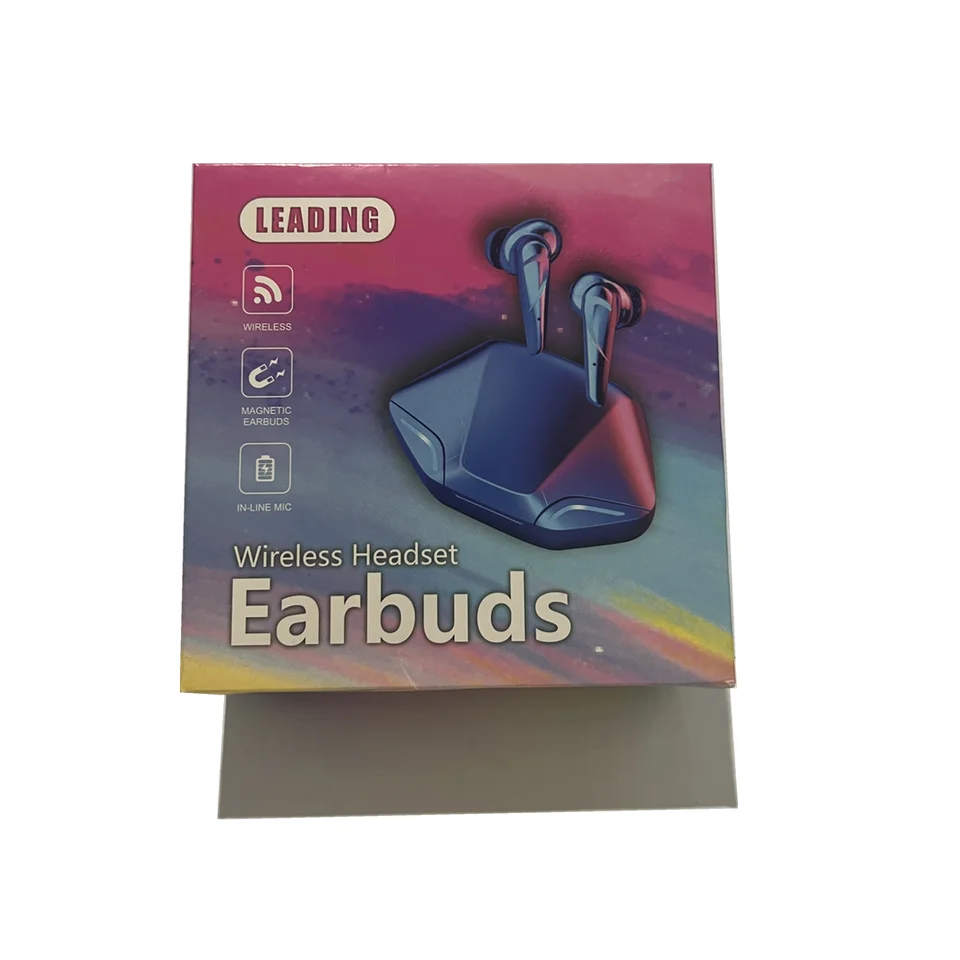
The Earphone Experience: Isolation and Audio Fidelity
Earphones prioritize sonic immersion above all else. By entering the ear canal, they change the fundamental physics of your listening experience. They transform your ear canal into a closed acoustic chamber.
Performance Realities
Sealing the canal directly couples the audio driver to the eardrum. No air escapes. No bass frequencies leak out. This physical coupling vastly improves low-end frequency response. Bass hits harder. Sub-bass rumbles deeply.
Furthermore, audio detail improves drastically. You can hear subtle acoustic cues. Micro-details in background instruments become highly visible. Earphones deliver a richer, more dynamic soundstage. They reproduce music closer to the original studio intent.
Passive Noise Isolation
A well-fitting In-ear Wireless Earphone acts like a high-quality earplug. It mechanically blocks high-frequency noise. This is called Passive Noise Isolation (PNI). PNI works constantly.
It requires no battery power. A tight silicone seal blocks chatter, typing sounds, and clinking glasses. PNI handles high-pitched noises exceptionally well. This physical barrier exists even before you activate Active Noise Cancellation (ANC). When you combine a physical seal with electronic ANC, the resulting silence is profound.
Best Use Cases (When to choose them)
Earphones dominate scenarios demanding focus and isolation. They thrive where background noise ruins the listening experience.
Commuting: Trains, buses, and airplanes generate relentless low-frequency rumble. Earphones easily block this mechanical drone.
Gym workouts: Weightlifting requires high physical stability. Silicone tips wedge securely into the canal. They prevent the device from falling out during rigorous movement.
Audiophile listening: Critical listeners demand pure sound fidelity. Only a sealed environment provides the necessary frequency response for analytical listening.
Inherent Limitations
Sealing the ear canal introduces the "occlusion effect". When you plug your ears, low-frequency bone-conducted sounds become amplified. You hear your own footsteps loudly. Your breathing sounds heavy. Chewing food becomes deafeningly loud.
Additionally, earphones push earwax deeper into the canal. Extended use traps heat and moisture. This environment can accelerate earwax buildup. Users must clean both their ears and their silicone tips regularly to maintain hygiene and audio clarity.
Decision Framework: Evaluating Your Next Audio Purchase
Choosing between these two designs requires honest self-assessment. You must evaluate your daily routine. Do you value immersion or environmental awareness? A structured decision framework simplifies this process.
Environment vs. Immersion
Prioritize situational awareness if you spend your day navigating chaotic urban streets. An open design keeps you safe. Prioritize total acoustic isolation if you work in a noisy open-plan office. A sealed design preserves your sanity.
Use the following comparison chart to align your lifestyle needs against hardware capabilities.
Feature Category | Open-Fit Earbuds | Sealed Earphones (IEMs) |
|---|---|---|
Physical Fit | Rests in outer ear bowl | Inserts directly into ear canal |
Acoustic Seal | None (Air flows freely) | Total vacuum seal (Silicone/Foam) |
Bass Response | Weak, prone to roll-off | Deep, punchy, well-extended |
Ambient Awareness | High (Naturally passes sound) | Low (Mechanically blocks sound) |
Best Environment | Running, quiet home offices | Subways, airplanes, loud gyms |
Anatomy and Fit-Testing
Human ear canals vary wildly in size and shape. Left and right canals often differ on the same person. Users with distinct canal shapes should always prioritize earphones offering multiple tip sizes. Standard packages usually include Small, Medium, and Large silicone tips.
Best Practice: Always perform a fit test. Try the largest tips first. Move down in size until you achieve a comfortable vacuum seal. If silicone causes irritation, purchase aftermarket memory foam tips. Foam expands gently, matching irregular canal shapes perfectly.
Hardware and Tech Specifications
Beyond physical fit, internal electronics matter immensely. When evaluating any modern Bluetooth Earphone, look closely at these specifications.
First, evaluate Active Noise Cancellation (ANC). ANC performs radically differently in open versus sealed designs. Open earbuds attempt ANC, but sound leaks in around the plastic. Earphones excel at ANC because the passive seal blocks high frequencies, while microphones cancel low frequencies. Earphones always win the ANC battle.
Next, consider multipoint connectivity. Can the device connect to your phone and laptop simultaneously? Evaluate microphone placement. Stem-style designs point microphones closer to your mouth. This improves call clarity in windy conditions. Consider battery life constraints. Smaller earphone chassis limit battery size. Expect 5-7 hours per charge.
Finally, check codec support. Codecs dictate how audio data compresses over Bluetooth. Apple users need AAC support. Android users benefit from high-resolution codecs like aptX or LDAC. Matching the codec to your smartphone ecosystem ensures optimal audio fidelity and minimal latency.
Hearing Health: Long-Term Wearability Considerations
Listening habits impact long-term hearing health significantly. Both designs present unique physiological risks. Understanding these risks helps you adopt safer listening protocols.
The Volume Compensation Risk (Earbuds)
Earbuds let background noise intrude freely. When sitting on a loud train, users instinctively reach for the volume button. They increase the decibels to hear vocal details. They attempt to drown out the train engine.
This volume compensation creates a severe risk. You might inadvertently blast 95 decibels into your ears. Prolonged exposure to high decibels damages the delicate hair cells inside your cochlea. Because the damage occurs gradually, you rarely notice it until permanent tinnitus sets in. Earbuds demand strict volume discipline in loud environments.
The Acoustic Pressure Risk (Earphones)
Earphones mitigate the volume risk by blocking external noise. You can listen comfortably at lower volumes. However, they introduce an acoustic pressure risk. Sealing the canal traps air pressure.
When the driver pulses, it pushes air directly against the eardrum. There is no escape valve. Pushing high decibels directly into the eardrum for extended hours causes premature ear fatigue. The physical pressure can feel exhausting. Your ears need regular breaks to equalize pressure and breathe.
Best Practices
Audiologists recommend a standardized approach to hearing protection. Emphasize the 60/60 rule regardless of which form factor you choose. Listen at no more than 60% of maximum volume. Limit listening sessions to 60 minutes at a time.
Remove the devices after an hour. Let your ears rest for ten minutes. This simple habit prevents acoustic fatigue. It protects your cochlear hair cells. It ensures you can enjoy high-fidelity audio for decades to come.
Conclusion
Choosing the perfect audio device requires moving past marketing jargon. You must understand how physical design influences sound waves. Earbuds rest in the outer ear, allowing ambient noise to blend with your music. Earphones penetrate the ear canal, creating a vacuum seal that blocks the world out.
Summarize the ultimate buying logic clearly. Choose earbuds for all-day comfort, zero canal fatigue, and vital environmental awareness. Choose earphones for deep sound immersion, powerful bass response, and secure physical fit during intense movement.
Evaluate your daily commute, office environment, and exercise routines. Assess your sensitivity to silicone tips. Now that you understand the acoustic realities, take action. Browse specific product categories based on your newly identified preference. Your perfect audio companion awaits.
FAQ
Q: Are wireless earbuds actually earphones?
A: Yes, structurally speaking. In modern retail terminology, 90% of products marketed as "wireless earbuds" are technically in-ear earphones. If a device includes removable silicone or foam tips designed to seal inside the ear canal, it is an earphone. True earbuds feature solid plastic housings that sit outside the canal.
Q: Which is better for active noise cancellation (ANC)?
A: Earphones are structurally superior for ANC. They provide a baseline passive seal. Silicone tips mechanically block high-frequency noises before the electronics even turn on. The ANC software then handles low-frequency hums. Open earbuds cannot form this physical barrier, allowing background noise to easily bypass the ANC algorithms.
Q: Do earphones damage your ears more than earbuds?
A: Not inherently. Damage depends entirely on decibel exposure and duration, not proximity to the eardrum. Because earphones block outside noise, users typically listen at safer, lower volumes. Conversely, earbud users often crank the volume to dangerous levels to drown out background noise, which poses a higher risk of gradual hearing loss.
Q: What does TWS mean when shopping for a Bluetooth earphone?
A: TWS stands for True Wireless Stereo. It means there are no wires connecting the left and right earpieces to each other, nor to the audio source. They communicate completely independently via Bluetooth. This technology applies equally to both open-fit earbuds and sealed in-ear earphones.



Shenzhen OB Technology Co., Ltd. We are leading manufacturer in China which specialized electronic products supplying for 10 years.
SHOP
Graphics Cardadaphics
SUPPORT
Subscribe to receive updates, access to exclusive deals, and more.
