


ANC vs ENC in Bluetooth Earphones: What's the Difference?
Views: 0 Author: Site Editor Publish Time: 2026-08-12 Origin: Site


You stare at a spec sheet for a new audio device and immediately feel overwhelmed. Acronyms like ANC, ENC, and PNC clutter the packaging. It is frustrating to decode this technical alphabet soup. Buying the wrong noise-cancellation tech causes real daily friction. You might struggle to hear your audio on a roaring flight. Worse, you could sound terribly muffled to clients during an important call. We want to clear up this core confusion right now. You deserve to know exactly how these technologies function in the real world. We will deconstruct the exact differences, limitations, and use cases of ANC and ENC. This guide gives you a clear, evidence-based buying framework. You will know exactly what to look for when choosing your next device.
Key Takeaways
ANC is for you: It uses anti-noise waves to block external sounds so you can hear your audio clearly.
ENC is for them: It uses microphone arrays and algorithms to filter out your background noise so the person on the other end of the call can hear you clearly.
They are not mutually exclusive: Premium ANC Wireless Earbuds often feature both technologies for a complete two-way audio experience.
Form factor matters: The physical design (in-ear vs. over-ear vs. open-ear) dictates the baseline effectiveness of any digital noise cancellation.
The Core Definitions: Distinguishing ANC, ENC, and PNC
Active Noise Cancellation (ANC): The Listener’s Shield
We must define the primary goal of this technology first. ANC protects your personal auditory experience. It targets low-frequency ambient noise around you. Common culprits include airplane engines, train tracks, and humming AC units. ANC acts as a digital shield. It keeps unwanted sounds out of your ears.
However, we must highlight a crucial implementation reality. ANC requires dedicated internal and external microphones. It also needs serious processing power. The built-in chipset works overtime to block incoming sound. This heavy processing load drains your battery much faster than standard playback.
Environmental Noise Cancellation (ENC): The Caller’s Clarifier
ENC has a completely different objective. It focuses strictly on voice isolation. This technology ensures your voice calls remain intelligible. It also helps smart assistants understand your voice commands clearly. It shines in noisy environments like busy cafes or windy streets.
Many buyers hold a major misconception about this feature. We need to clarify this right away. ENC does absolutely nothing to quiet the environment for you. You will still hear the loud cafe around you. ENC only cleans up the audio for the person on the other end of the line.
Passive Noise Cancellation (PNC): The Crucial Baseline
PNC relies entirely on physical isolation. It involves the physical seal around your ear canal. Dense silicone tips create this seal for smaller devices. Thick ear cups provide this seal for larger headsets.
There is a strict rule in acoustic design. Neither ANC nor ENC functions optimally without a strong PNC foundation. A poor seal lets outside noise leak in. This makes digital cancellation algorithms work much harder. Ultimately, they perform worse. A standard Bluetooth Earphone relies heavily on PNC before any smart features engage.
The Technical Reality: How They Actually Filter Sound
How ANC Works (Phase Inversion)
The physics behind ANC seem like magic. They are actually quite logical. The technology uses a scientific concept called phase inversion. Microphones detect ambient sound around you. A dedicated chipset then generates an exact inverted sound wave. This anti-noise wave meets the original noise in your ear canal. The two acoustic waves cancel each other out.
We must acknowledge its practical limitations. ANC is highly effective on continuous, low-frequency drones. It easily handles airplane engines or highway rumble. However, it struggles heavily against sudden, high-pitch sounds. A baby crying or shattering glass will still pierce through. The chipset simply cannot process unpredictable audio spikes fast enough.
How ENC Works (Spatial Filtering & AI)
ENC mechanics take a very different approach. The system typically uses a dual-mic setup. One microphone captures your primary voice. The second microphone captures the surrounding ambient noise.
The magic happens during the processing phase. An algorithm maps the ambient noise profile. It then mathematically subtracts this background noise from your primary voice channel. Modern systems even use AI to recognize human speech patterns. They isolate your vocal frequencies and dynamically suppress everything else.
Transparency Mode Note
We should briefly note how ANC hardware serves double duty. You can reverse the ANC microphones. This creates Transparency Mode. Instead of blocking sound, the mics actively pipe ambient sound inside. This keeps you safe while walking near busy traffic. It contrasts sharply against the ENC goal of filtering sound out. Many premium ANC Wireless Earbuds use this dual-functionality to give you complete environmental control.
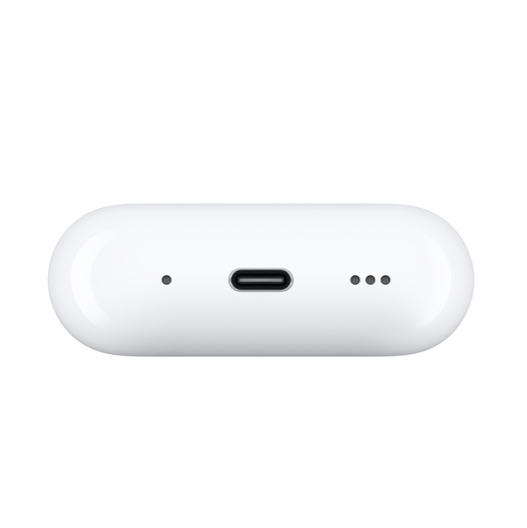
Form Factor Realities: In-Ear, Over-Ear, and Open-Ear
In-ear Wireless Earphone Dynamics
The classic In-ear Wireless Earphone offers distinct acoustic traits. You gain several unique benefits.
Pros: You get an excellent PNC seal. The snug silicone tip physically blocks incoming decibels. They are also highly portable for daily travel.
Risks: You face unavoidable physical limitations. Smaller batteries mean heavy ANC usage drastically reduces playtime. Furthermore, the microphone sits closer to your mouth but further from ambient noise. This requires highly optimized ENC algorithms. Poor optimization often leads to digital voice distortion.
Over-Ear Bluetooth Headset Advantages
Upgrading to an Over-Ear Bluetooth Headset changes the equation entirely.
Pros: You gain a superior acoustic chamber. The massive ear pads provide phenomenal PNC. Furthermore, the larger chassis offers ample internal space. Engineers can install larger, more accurate microphone arrays. This enables premium ANC and ENC performance. Bigger batteries also handle the high power draw effortlessly.
The Open-Ear Challenge
We must address emerging open-ear technology. This category includes bone conduction and air conduction models.
Fact check: True ANC is virtually impossible on open-ear designs. They offer zero PNC. You cannot build a digital wall without a physical foundation. ENC, however, remains highly relevant here. You can still take phone calls on the go. The dual mics will isolate your voice perfectly, even as you hear the world around you natively.
Decision Framework: Matching Technology to Your Use Case
Use Case 1: The Commuter / Frequent Flyer
Primary Need: You need serious engine noise reduction. Auditory focus is your main goal. You want to sleep on a plane or focus on a podcast.
Recommendation: Prioritize high-decibel ANC. Look for ratings between -35dB to -45dB. ANC protects your sanity in noisy transit. ENC is strictly secondary here. You only need it if you routinely take work calls while commuting.
Use Case 2: The Remote Worker / Professional
Primary Need: Voice clarity dominates your daily requirements. You take Zoom or Teams calls from noisy cafes. You work in shared office spaces.
Recommendation: Prioritize advanced ENC. Look for multi-mic arrays. AI noise reduction is a massive bonus. ENC protects your professional image. ANC is a great secondary feature for personal focus, but call quality comes first.
Use Case 3: The Runner / Outdoor Athlete
Primary Need: Situational awareness keeps you safe. You also face aggressive wind-noise during movement.
Recommendation: Avoid heavy ANC. If you have it, require a strong Transparency Mode. Blocking out traffic is dangerous. Prioritize strong ENC for wind-noise suppression. This ensures you can answer a call mid-run without deafening your friends.
Technology Recommendation Matrix
User Persona | Primary Tech Focus | Secondary Tech Focus | Ideal Form Factor |
|---|---|---|---|
Frequent Flyer | Maximum ANC | Standard ENC | Over-Ear / Premium In-Ear |
Remote Worker | Advanced ENC (AI) | Standard ANC | In-Ear / Boom Mic Headset |
Outdoor Athlete | ENC (Wind Reduction) | Transparency Mode | Open-Ear / Sport In-Ear |
Evaluation Criteria: How to Shortlist Before You Buy
Look Beyond the Acronyms: Do not just look for the letters on the box. Evaluate the specific type of technology. ANC comes in three flavors: Feedforward, Feedback, and Hybrid. Hybrid combines both internal and external mics. It is the industry standard for premium audio. It catches noise from outside and corrects errors inside. When comparing ANC vs ENC, remember they handle entirely different sound pathways.
Microphone Count Matrix: Hardware limits software. For effective ENC, look for a specific microphone count. A minimum of 2 microphones per earbud is essential. That equals 4 total microphones. If you want high-end call clarity, demand more. Three microphones per earbud (6 total) is the current standard for premium voice isolation.
Battery Life Trade-offs: Spec sheets can be deceptive. Always check the "ANC-On" battery life. Do not rely on the maximum theoretical battery life. Manufacturers often advertise playtime assuming you disabled all smart features. Continuous processing drains batteries fast. Ensure the active playtime meets your specific daily usage requirements.
The Fit Test: A poorly fitting earbud destroys PNC. Consequently, this ruins ANC efficiency. Look for models offering multiple ear-tip sizes. Foam tips often provide a better seal than silicone. Many premium brands now offer in-app fit tests. These tests play acoustic tones to detect sound leakage. They confirm whether you have the optimal physical seal.
Conclusion
Let us summarize the final verdict. Buy ANC to protect your own peace. Buy ENC to protect your professional image on calls. They serve two entirely different audiences: you and your caller. Knowing this distinction saves you money and frustration.
As a next step, define your primary environment before shopping. Decide if you spend more time in transit or on office calls. Once you know your environment, review specific models carefully. Ensure you pay only for the technology driving your required outcome.
FAQ
Q: Does ENC drain battery as fast as ANC?
A: Generally, no. ENC only activates during calls or voice recording sessions. It remains dormant otherwise. Conversely, ANC continuously processes ambient sound whenever you activate it. This constant background processing causes a much faster battery drain during regular music playback.
Q: Can an earphone have both ANC and ENC?
A: Yes. Most mid-to-high-tier wireless earbuds utilize both technologies. Manufacturers combine them to provide a complete audio and communication package. This dual setup ensures you hear your music clearly while callers hear your voice perfectly.
Q: Is ANC bad for your ears?
A: The "ear pressure" phenomenon is harmless. ANC creates a simulated pressure change to cancel sound waves. This tricks your brain into feeling a sensation similar to airplane cabin pressure. It causes no physical damage, but it can cause mild discomfort for highly sensitive users.
Q: Why can I still hear voices when ANC is turned on?
A: ANC targets low-frequency, continuous noise like engines or fans. It struggles with the dynamic, mid-to-high frequencies of human speech. The algorithms cannot predict vocal pitch changes fast enough to generate perfect anti-noise waves.



Shenzhen OB Technology Co., Ltd. We are leading manufacturer in China which specialized electronic products supplying for 10 years.
SHOP
Graphics Cardadaphics
SUPPORT
Subscribe to receive updates, access to exclusive deals, and more.
