


Antminer D7 1286Gh specs: Dash X11 mining setup guide
Views: 0 Author: Site Editor Publish Time: 2026-06-27 Origin: Site


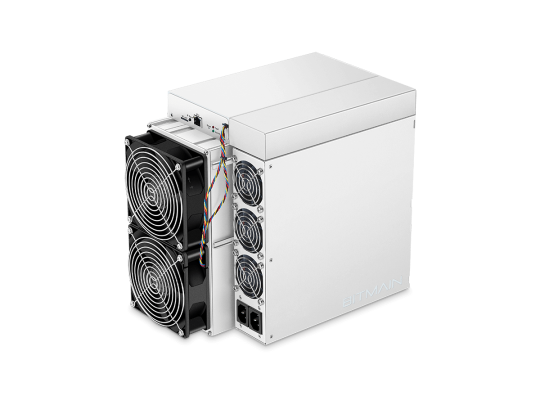
The Bitmain Antminer D7 represents the current industrial standard for the X11 hashing algorithm. This powerful hardware redefines cryptographic processing limits. Upgrading to high-yield ASIC hardware requires balancing significant capital expenditure against volatile network difficulty. Strict electrical infrastructure demands also complicate deployment, meaning plug-and-play is rarely an option. Facility managers face serious thermal and acoustic challenges when integrating new rigs. We provide a transparent, evidence-based breakdown of the D7’s specifications, infrastructure prerequisites, and setup protocols. Our analysis covers everything from voltage constraints to pool integration strategies. We aim to facilitate an informed procurement and deployment decision for your operation. You will learn exactly how to master this antminer d7 miner setup securely. By understanding these technical constraints, you can maximize operational uptime and ensure long-term hardware longevity.
Key Takeaways
Hardware Baseline: Delivers 1286 GH/s at a power consumption of 3148W, establishing a 2.44 J/GH efficiency ratio.
Infrastructure Constraints: Strictly requires 220V–240V electrical systems; incompatible with standard 110V residential outlets.
Economic Viability: Profitability is highly contingent on localized electricity rates (sub-$0.08/kWh recommended) and dynamic Dash network difficulty.
Deployment Readiness: Requires enterprise-grade thermal management and acoustic isolation due to 75dB+ operating noise.
Bitmain D7 Specifications: Evaluating the Hardware Baseline
The bitmain d7 delivers incredible raw performance. It generates 1286 GH/s of hashing power. This output drastically outperforms legacy X11 hardware. For instance, the older Antminer D5 produced a fraction of this capability. The generational leap in processing density is undeniable. High hash density maximizes facility space. You can generate more yield per square foot of rack space.
Power consumption metrics reveal a continuous draw of 3148W. Actual wattage fluctuates slightly. Variations of ±5% occur based on ambient temperature. The silicon lottery also affects exact power usage. You must account for these fluctuations during electrical planning. Providing exact headroom prevents breaker trips. Proper electrical scaling protects your equipment from sudden voltage drops.
Energy efficiency remains a critical metric. This unit establishes a 2.44 J/GH ratio. Joules per Gigahash dictates long-term viability. When market downturns happen, efficient hardware stays profitable longer. Less efficient units quickly become liabilities. Efficient machines protect your operation against sudden crypto volatility. Operating highly efficient machines provides a distinct competitive advantage over rival operators.
This model includes the integrated APW12 power supply. The APW12 PSU requires specific voltage inputs. Standard residential power grids cannot support it. You must deliver stable, high-voltage electricity to maintain uptime. We outline the core specifications in the table below.
Specification Feature | Technical Measurement |
|---|---|
Hashing Algorithm | X11 (Dash) |
Maximum Hashrate | 1286 GH/s |
Power Consumption | 3148 Watts (±5%) |
Energy Efficiency | 2.44 J/GH |
Included Power Supply | APW12 |
Profitability Framework: Variables in Dash Mining
Static calculators present a major flaw in profitability forecasting. They rely on real-time data snapshots. You should never base long-term decisions on real-time profitability screenshots. Network difficulty changes dynamically. Block reward reductions systematically decrease coin emission. As difficulty rises, your daily yield shrinks. You must project future difficulty increases to build an accurate model.
Electricity cost represents your largest ongoing variable. Viability depends strictly on cheap power. We recommend localized rates below $0.08/kWh. Running any x11 miner becomes risky at higher utility tiers. If your rates exceed $0.10/kWh, operating at a loss becomes highly probable. You need firm power purchase agreements to secure margins.
The X11 ecosystem offers secondary coin options. You might consider alternatives like Syscoin or CannabisCoin. However, Dash remains the primary liquidity driver. Dash offers the highest trading volume. It ensures you can reliably liquidate mined assets. Small cap coins often suffer from liquidity crunches. Sticking to primary networks reduces overall financial risk.
Common Mistake 1: Trusting static 24-hour revenue calculators without factoring in difficulty adjustments.
Common Mistake 2: Ignoring local taxation and power transmission fees in utility estimates.
Common Mistake 3: Speculating on illiquid X11 altcoins instead of focusing on Dash volume.
Infrastructure Requirements for the Antminer D7 Miner
Deploying this hardware requires rigorous electrical compliance. It strictly demands 220V–240V circuits. Standard residential 110V outlets will fail. You need C19/C20 power cables to handle the current. Dedicated 20-amp breakers per unit are mandatory. Failing to meet these standards creates severe fire hazards. Equipment failure is almost guaranteed under inadequate electrical provisioning. Always consult a certified electrician before installation.
Thermal management dictates machine lifespan. You must maintain optimal hash board temperatures below 80°C. High-performance fans push massive amounts of air. The required cubic feet per minute (CFM) for intake and exhaust is substantial. You need robust ventilation to evacuate exhaust heat. Cold aisle/hot aisle containment prevents thermal recirculation. Proper airflow directly prevents thermal throttling.
Acoustic realities often shock first-time operators. The unit produces 75dB+ of continuous noise. This volume rivals a running vacuum cleaner. Standard residential living spaces are wholly unsuitable. You must deploy any asic miner in areas supporting heavy soundproofing. Commercial facilities utilize specialized acoustic panels. Ignoring noise mitigation will create hostile working environments.
Infrastructure Readiness Chart | ||
Infrastructure Pillar | Minimum Requirement | Operational Impact |
|---|---|---|
Electrical Supply | 220V-240V, 20-Amp Breaker | Prevents fires and PSU failure. |
Thermal Extraction | Cold/Hot Aisle Separation | Maintains hash boards below 80°C. |
Acoustic Isolation | 75dB+ Sound Dampening | Protects hearing, prevents noise complaints. |
Implementation: Step-by-Step Dash Miner Setup
The initial boot sequence requires precision. First, safely plug in the antminer d7 to your 220V PDU. Power on the unit and wait for network initialization. Use an IP reporter tool to locate the machine. Find its assigned IP address on your local network. Enter this IP into a web browser. This grants access to the Bitmain graphical user interface.
Mining pool integration optimizes your payout frequency. Select geographically optimal X11 pools. Low latency reduces stale shares. Navigate to the GUI settings. Input the correct Stratum URLs provided by your pool. Configure your worker names accurately. Save the settings to begin hashing. Always keep a backup pool configured. Backup pools maintain uptime during primary server outages.
Security management protects your assets. Standard operating procedures dictate immediate password changes. Never leave the default credentials active. Isolate the dash miner on a dedicated local subnet. Verify you run official firmware from the manufacturer. Hash-hijacking malware targets vulnerable machines. Keeping firmware updated closes known network vulnerabilities.
Monitoring dictates early success. Establish baseline acceptable temperatures during the first 48 hours. Check fan speeds regularly. Watch for hardware error (HW) rates. High error rates suggest thermal throttling or silicon degradation.
Connect the unit to a certified 220V PDU using C19/C20 cables.
Run an IP scanner tool to identify the machine on your local subnet.
Log into the web interface and immediately alter the default administrator password.
Enter your primary and secondary Stratum URLs for your chosen X11 pool.
Monitor ASIC dashboard temperatures and HW error metrics for 48 hours.
Procurement Strategy: Mitigating Buyer Risk
Authorized vendors offer better protection than secondary markets. Evaluate vendors carefully before purchasing. Authorized distributors guarantee brand-new stock. Secondary markets present distinct risks. Used equipment might suffer from thermal degradation. Refurbished units require thorough background checks. Ask for historical operational data before buying used hardware. Reputable sellers gladly provide testing videos showing live hashrate.
Bitmain imposes strict warranty limitations. Their standard warranty typically spans 365 days. Crucially, this period starts from the dispatch date, not delivery. Certain actions instantly void this warranty. Overclocking the hardware nullifies all manufacturer support. Physical damage or improper voltage application also terminates coverage. Read the warranty documentation thoroughly upon arrival.
Shipping and customs add unpredictable delays. Import duties significantly impact final capital expenditure. International shipping often takes weeks. Establish a clear protocol for Dead on Arrival (DOA) units. Understand exactly how your vendor handles DOA returns. Promptly testing hardware upon arrival ensures you meet tight return windows.
Conclusion
The ideal deployment profile is clear. Commercial operators handle this hardware best. Advanced home operators with dedicated 220V infrastructure can also succeed. You absolutely need highly competitive power rates. Sub-optimal utility costs will erode any potential gains over time.
Next steps involve finalizing your facility audits. Confirm electrical capacity before proceeding. Run dynamic return-on-investment models. Account for increasing network difficulty. Evaluate your thermal and acoustic isolation capabilities. Complete these steps before initiating purchase orders. Diligent planning ensures long-term operational success.
FAQ
Q: Can I run the Antminer D7 on a standard 110V outlet?
A: No, strictly requires 220V-240V. Attempting to use 110V will fail to power the APW12 PSU and may cause electrical damage.
Q: Does the Antminer D7 mine Bitcoin?
A: No, it is an application-specific integrated circuit built exclusively for the X11 algorithm, whereas Bitcoin uses SHA-256.
Q: How loud is the Antminer D7 miner during normal operation?
A: Averages 75 decibels, comparable to a loud vacuum cleaner running continuously. Requires dedicated acoustic mitigation.
Q: Are power cables included with the unit?
A: Typically, Bitmain does not include the heavy-duty C19 power cords required; these must be sourced independently based on regional plug standards.



Shenzhen OB Technology Co., Ltd. We are leading manufacturer in China which specialized electronic products supplying for 10 years.
SHOP
Graphics Cardadaphics
SUPPORT
Subscribe to receive updates, access to exclusive deals, and more.
